Ride the Rails, Chase the Falls: Yorkshire in a Day

Today we set out on Station-to-Station Day Hikes Linking Multiple Yorkshire Waterfalls by Rail, blending the freedom of day tickets with time-smart footpaths that lead from platform to plunge pool, valley to vantage. Expect practical routes, rail tips, safety insights, and photo-friendly moments, plus lively stories gathered between whistles and spray. Lace up, pack light, and come along, adding your favorite stops, questions, and station links in the comments so our next journey rolls even smoother for everyone.

Choosing the Right Line

The Settle–Carlisle, Calder Valley, and Esk Valley lines each unlock different waterfall clusters and walking styles. Look for stations within easy reach of rights of way, minimizing tarmac miles while maximizing time near rapids and plunge pools. Check for engineering works, reduced Sunday services, and the day’s last departures, then build your out-and-back margins accordingly. A few minutes of research now can mean unhurried snacks beside a frothing force rather than sprinting along lamplit platforms.

Timing Waterflow and Sunlight

Falls thrive after rain, yet swollen becks may block stepping stones, heighten spray, and demand calmer pacing. Pair recent rainfall data with sunrise and sunset times to balance drama and safety. South-facing ravines brighten earlier; narrow gills hold shade and slick rock. Aim to approach marquee cascades when light softens, avoiding harsh midday glare. If timetables compress options, prioritize the most technical crossings in full daylight and leave gentler stretches for your golden-hour return toward the station.

Stainforth Force Detour

From Horton’s station, quiet field paths drop toward the Ribble, where Stainforth Force roars over limestone ledges beside a historic packhorse bridge. After rain, salmon may leap in season, electrifying even a short pause. Respect slippery rock, photograph from anchored stances, and let the sound recalibrate your walking rhythm. If crowds gather, wander downstream for calmer eddies and thoughtful framing, then climb toward Stainforth village, where the scent of woodsmoke pairs perfectly with a quick snack before turning toward the next beck.

Up to Catrigg’s Hidden Amphitheatre

Catrigg Force hides in a wooded cleft above Stainforth, a narrow, echoing chamber where water pours into a mossy cauldron. The approach steepens, roots tangle underfoot, and the air cools noticeably. Take time to scout multiple vantage points without trampling fragile banks. The falls photograph beautifully in soft, overcast light. If you hear laughter above, it’s likely walkers discovering the pool’s acoustics; greet them, share space, and pass on any tips about mud, cattle, or a helpful barn corner out of the wind.

Garsdale to Kirkby Stephen: Hell Gill, Wild Edges, River Drama

This moorland traverse pairs big-sky solitude with intimate waterfall encounters, beginning at windswept Garsdale and finishing under red sandstone bridges in Kirkby Stephen. Expect exposure, sudden showers, and unforgettable acoustics where Hell Gill Force thunders through its tight chasm. Wayfinding matters: lines of grouse butts, stone walls, and faint trods can mislead in murk. Commit to conservative pacing, choose sheltered snack spots, and carry a robust backup plan. When river levels surge, patience and alternative footbridges become the day’s unsung heroes.

Hell Gill Force and the Aisgill Gorge

Hell Gill Force compresses power into a shadowed slot, where spray rebounds off smooth walls and voices turn to whispers. Approach carefully; wet turf here acts like ice when a gust arrives. Photograph upper ledges from safe ground and resist edging onto slick rims. The nearby roadway offers bailout options if weather dives, but give the gorge time. Short pauses reveal raven calls overhead, unexpected rainbows at midday, and centuries of erosion etched into every curve, reminding you to step lightly and breathe slower.

Eden Valley Descent to Stenkrith

Leaving the high moor, tracks drift into the Eden’s greens, where Stenkrith Park funnels water through sculpted rock and steel-blue channels. It is a breathtaking contrast to the Gill’s compression. Use handrails where provided, watch children closely, and respect signed barriers. In lower light the rock patterns glow, and long exposures sing. From here, pleasant paths deliver you toward the station, tea rooms, and a well-earned seat. If delays strike, embrace them; twilight over the Eden often becomes the day’s quiet highlight.

Contingencies and Shortcuts

This line’s remoteness magnifies little problems. Before you start, record bus times, taxi numbers, and the final trains in both directions. Mark windbreaks, bothy-like walls, and barns that offer brief shelter during squalls. If water levels overtop stepping stones, detour to safer bridges rather than gambling on cold, rushing currents. Your story is better with dry socks and steady feet than with drama. Send us your refined shortcuts and comfort stops, helping the next walker craft a calmer, equally thrilling journey.

Hebden Bridge to Mytholmroyd: Lumb Hole and Cragside Cascades
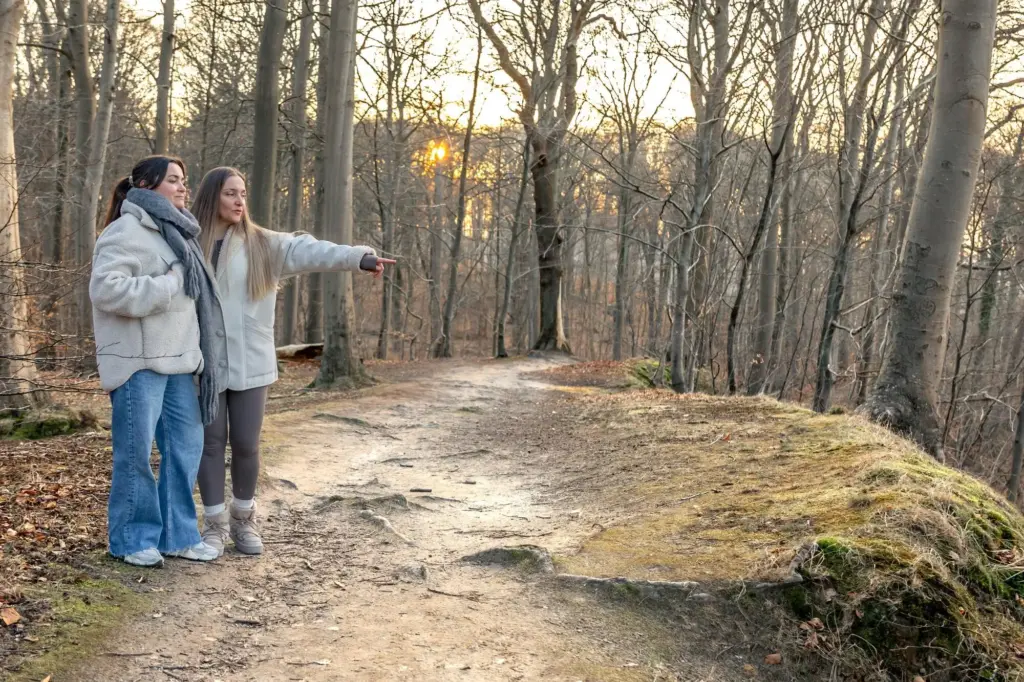
Between steep-sided valleys and gritstone edges, this route combines café culture with unruly becks. Starting at Hebden Bridge, you climb through Crimsworth Dean’s airy birch to Lumb Hole’s signature plunge, then descend woodland steps toward Mytholmroyd. It is a landscape of packhorse paths, mossy clapper bridges, and sudden outbursts of water after rain. Expect mixed footing, waymarked options that briefly tangle, and countless photo chances. If time allows, loop via Gibson Mill to splice history, industrial heritage, and echoing whitewater into one compelling line.

Crimsworth Dean and Lumb Hole

Crimsworth’s path narrows beside stacked walls, then opens to a shoulder with big views before plunging into trees. Lumb Hole greets you with a perfect semicircle of rock and an inviting plunge pool, irresistible yet notoriously cold. Choose stable ledges and avoid slick boulders; the most dramatic angle often sits slightly higher than expected. In spate, mist beads on lenses, so pack a cloth. Conversation tends to hush here, replaced by water’s steady percussion and birdsong threading through alder leaves.

Gibson Mill Weirs and Rocky Pitches

Although partly engineered, the churning steps near Gibson Mill offer texture and story, with water powering looms long before headtorches and GPS. Pause to read the waymarkers and imagine packhorses clopping nearby. Slick flagstones require deliberate footsteps, especially in autumn leaf fall. Consider a short spur to quieter loops upriver if the main path buzzes. This segment anchors the day’s narrative: industry bowing to nature, and your footfalls linking station platforms to the tireless pulse of Calderdale’s becks and ravines.

Clapham to Bentham via Ingleton: Paying for Spectacle, Earning the Views
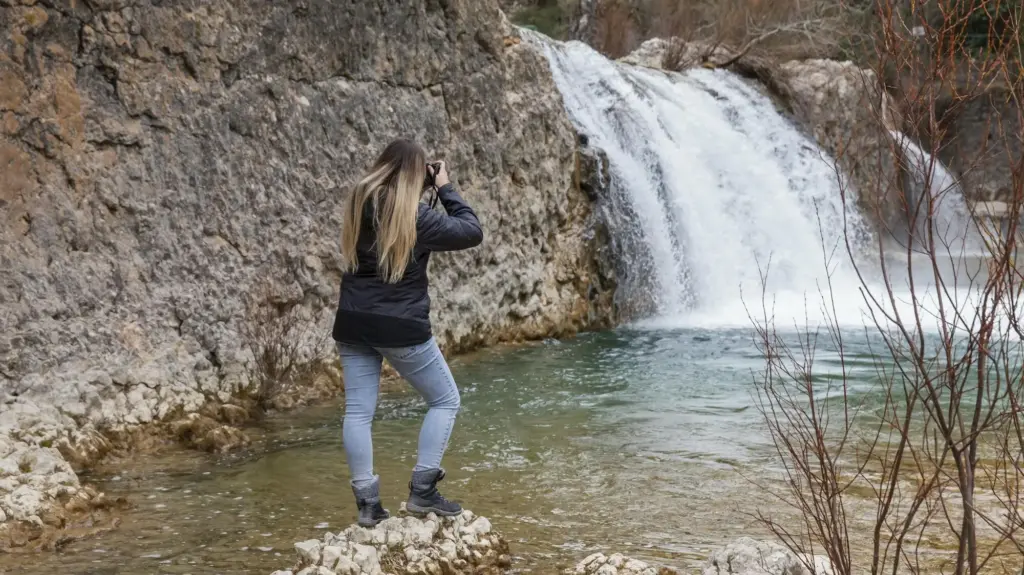
Link two stations with a waterfall extravaganza by threading Clapham’s cave country to Ingleton’s famous circuit, then onward to Bentham. Parts of the waterfalls trail charge an entry fee and operate defined hours; respect both. In return, you receive a masterclass in cascades: Pecca’s layered drama, Thornton’s dramatic single drop, and leafy gorge sections where sound arrives first. Finish across rolling lanes and permissive paths toward Bentham’s platforms, swapping notes about favourite angles and snack spots before the evening train hums you home.

Safety, Seasons, and River Sense

Waterfalls invite delight and demand humility. Surges turn amiable becks into sudden muscle; frost disguises edges; autumn leaves make stone behave like soap. Add rail timings, and decisions multiply. This section collects the lived wisdom of many damp socks and bright mornings: choosing conservative lines, trusting turnaround times, and reading water the way sailors read wind. With a few habits and a respectful mindset, you can keep your day exhilarating while ensuring the same wild places welcome everyone tomorrow.

Light Packs, Solid Footing, Lasting Memories

A nimble kit turns tight timetables into calm, creative days. Think weatherproof layers, trusted footwear, simple food you actually enjoy, and redundancy for navigation and light. Keep the bag compact; your stride and balance improve on greasy limestone and rooty descents. Photography thrives when you move happily, not heaving. With a small rag for spray, a map pouch, and curiosity, every platform departure becomes a promise. Share your refined packing lists and favorite Yorkshire snack pairings so newcomers benefit from your miles.

Footwear and Layers That Earn Their Keep

Choose shoes with wet-rock grip and midfoot stability; pair them with wool socks that retain warmth when splashed. A breathable shell beats a heavy coat once the climb begins. Glove liners, a peaked cap, and a light insulating layer extend comfort through changeable squalls. Keep essentials accessible so you are never tempted to skip a layer because it hides beneath lunch and camera gear. Every adjustment you can make in thirty seconds is another confident step toward the next echoing chute.

Navigation and Battery Management

Phone maps feel infinite until sleet drains batteries. Carry a paper OS sheet, a compact compass, and preloaded GPX on a small backup device. Airplane mode saves power between photos; a pocketable power bank erases anxiety. Label waypoints like “bridge,” “gate,” and “steep roots” for quick mental images. In deep gills, signals fade; offline tiles prevent guesswork. Share your GPX afterwards, noting any diversions or downed stiles, so future walkers can stride straight from platform edge to first foaming ledge.

Xariloritemilentonexofexozento
Privacy Overview

This website uses cookies so that we can provide you with the best user experience possible. Cookie information is stored in your browser and performs functions such as recognising you when you return to our website and helping our team to understand which sections of the website you find most interesting and useful.